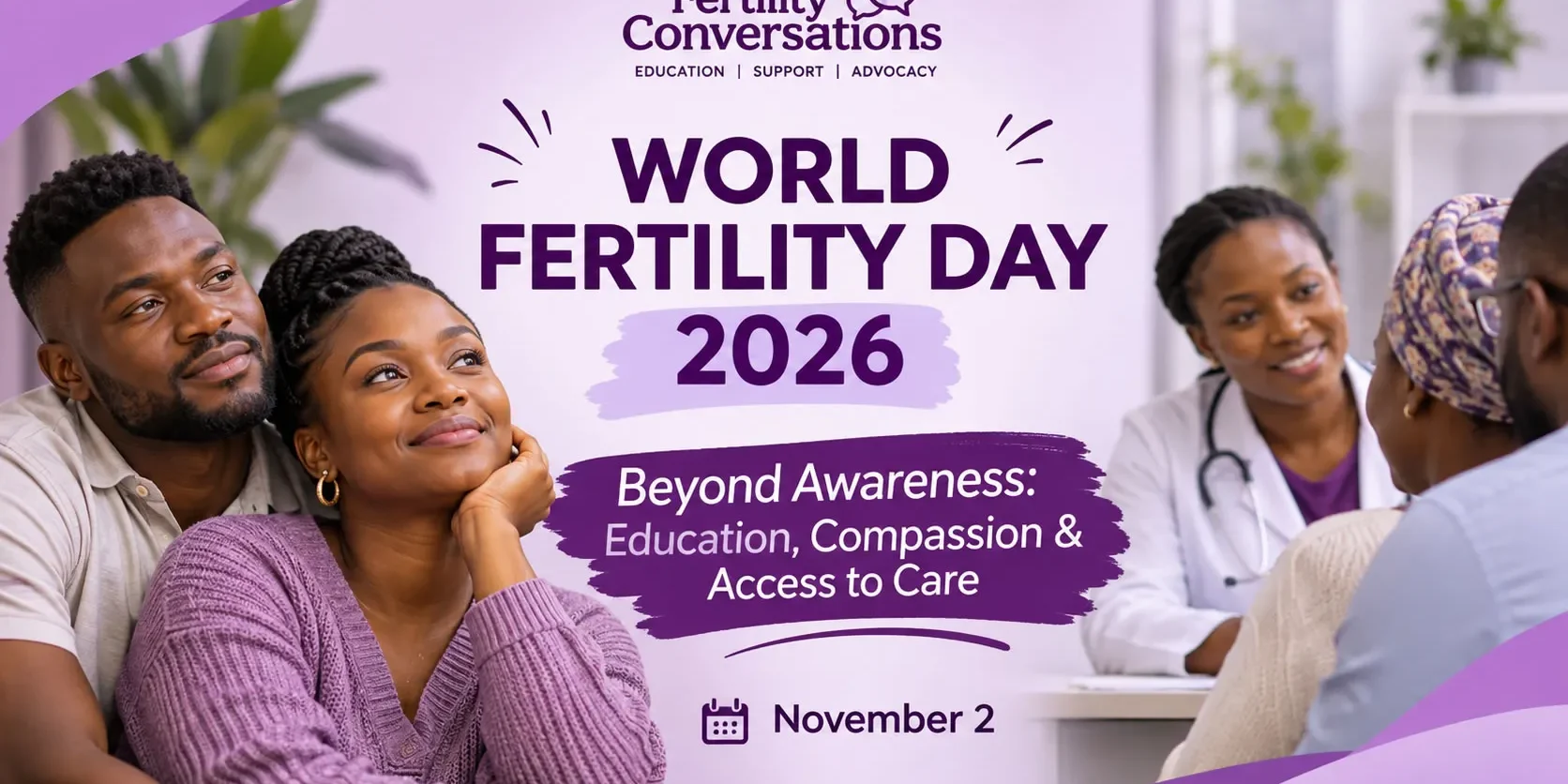
Every year on November 2, World Fertility Day brings attention to an issue affecting millions of people worldwide. It is an opportunity to raise awareness, challenge misconceptions, encourage conversations and advocate for better fertility education and care.
But beyond awareness campaigns and social media posts, an important question remains:
Are we doing enough to change how infertility is understood, discussed and treated?
What Is World Fertility Day?
Established in 2018, World Fertility Day is observed annually on November 2 to promote fertility awareness, education and support while challenging the stigma surrounding infertility.
It also reminds us that fertility education should not begin only when someone struggles to conceive.
Understanding reproductive health, recognising potential concerns and knowing when to seek medical advice are important at different stages of life.
Fertility awareness is not about telling everyone they must become parents. It is about ensuring people have the knowledge, dignity, choices and support they deserve.
One in Six: The Reality of Infertility
According to the World Health Organization (WHO), approximately one in six adults worldwide experiences infertility during their lifetime.
Yet despite how common infertility is, many people continue to experience stigma, isolation and a lack of understanding.
Infertility affects both men and women, including those who have previously conceived or had children.
Its impact often extends beyond medical treatment, affecting emotional wellbeing, relationships, finances, careers and everyday life.
For some, the journey involves pregnancy loss, unsuccessful treatments, difficult decisions or coming to terms with living childless not by choice.
Supporting people experiencing infertility requires more than telling them to remain hopeful. It requires compassion, understanding and respect for their individual experiences.
Why Fertility Education and Awareness Matter
Reproductive health education often focuses on preventing pregnancy and sexually transmitted infections. While important, conversations should also include fertility awareness, reproductive health conditions and recognising when medical attention may be needed.
Young people deserve accurate, age-appropriate information about their bodies without fear or pressure surrounding parenthood.
We must also challenge the misconception that infertility is primarily a woman’s issue. Male reproductive health deserves equal attention.
Across many African communities, cultural expectations surrounding parenthood can create additional pressure for individuals and couples experiencing infertility.
Women may face blame, intrusive questioning or discrimination, while men may struggle to speak openly about fertility challenges.
Infertility is a reproductive health issue, not a personal failure. No one’s worth should be measured by their ability to have children.
Moving Beyond Awareness to Meaningful Change
Access to fertility care remains a significant challenge, particularly where investigations and treatments are expensive or specialist services are limited.
Fertility care should not be treated as a luxury reserved for those who can afford it.
We need better education, timely diagnosis, affordable healthcare and compassionate support.
Healthcare professionals must listen and provide evidence-based care. Workplaces should recognise the demands of fertility treatment, while families, communities and faith institutions must offer support without judgement or blame.
Governments and policymakers also have a responsibility to improve access to reproductive healthcare.
We must respect different paths to parenthood, including IVF, donor conception, surrogacy and adoption, while recognising those living childless not by choice.
Keeping the Conversation Going
World Fertility Day may be observed on November 2, but the need for education, compassion and accessible fertility care continues throughout the year.
At Fertility Conversations, we believe meaningful change begins with honest conversations, accurate information and challenging harmful misconceptions.
Fertility awareness should not be limited to one day. It should be reflected in how we educate, provide healthcare, create policies and treat one another.
Let us move beyond awareness towards education, empathy, inclusion and meaningful change.
One conversation at a time.